
Justice Is Not Enough
On February 9, 1775...

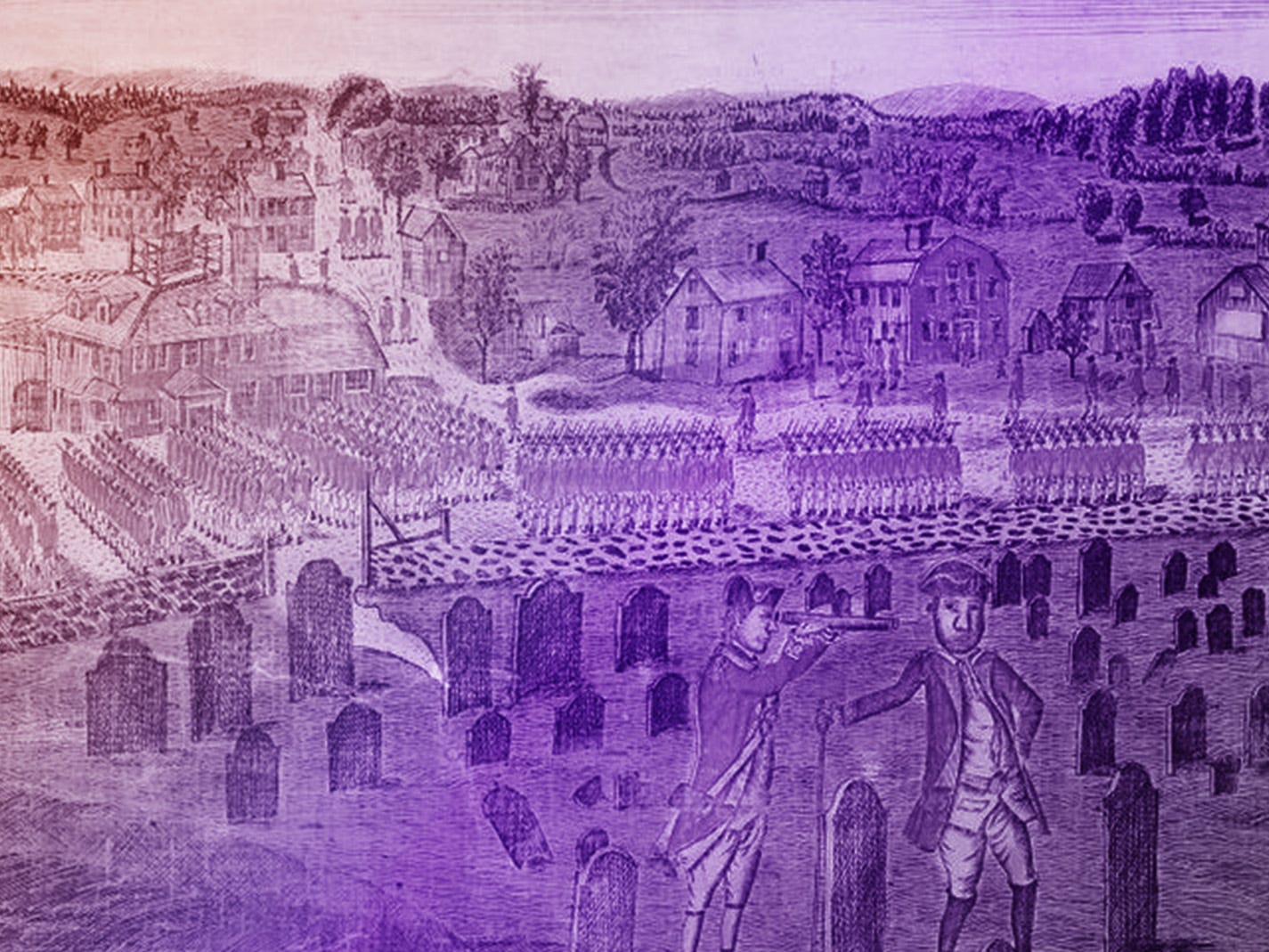
On February 9, 1775, the Parliament of Great Britain declared the province of Massachusetts Bay to be in rebellion:
We find, that a part of your Majesty’s subjects in the province of the Massachusetts Bay have proceeded so far to resist the authority of the supreme legislature, that a rebellion at this time actually exists within the said province; and we see, with the utmost concern, that they have been countenanced and encouraged by unlawful combinations and engagements, entered into by your Majesty’s subjects in several of the other colonies, to the injury and oppression of many of their innocent fellow-subjects resident within the kingdom of Great Britain, and the rest of your Majesty’s dominions.
This declaration was soon followed by the New England Restraining Act, which restricted New England’s foreign trade, barred access to the North Atlantic fisheries, and effectively expanded the blockade of Boston to all of Massachusetts.
One Colonel Grant provided a contribution that has not stood the test of time:
Colonel Grant said, he had served in America, and knew the Americans well, was certain they would not fight. They would never dare to face an English army, and did not possess any of the qualifications necessary to make a good soldier; he repeated many of their common place expressions, ridiculed their enthusiasm in matters of religion, and drew a disagreeable picture of their manners and ways of living.
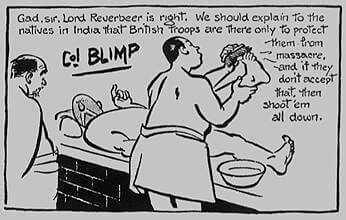
A Colonel Blimp of the eighteenth century! But the debate in Parliament about this declaration included plenty of speakers who didn’t think the colonies really were in rebellion—or, if they were, it was the British government’s fault for provoking the rebellion. Other speakers argued the case for the resolution. It passed by a large majority.
Parliament was not convinced by Mr. Grenville’s case for prudence:
Mr. Grenville spoke well in support of the legislative power and controuling supremacy of parliament; but entirely disapproved of the present measures, as every way improper, intemperate and impolitic.
Once Britain declared Massachusetts in rebellion, warlike suppression followed, with all that would entail. Perhaps Britain should have turned a blind eye to rebellion a little longer, to forestall closing off its own options?
Well, we did not temporize on recognizing rebellion in 1861—although Lincoln, prudently, stuck to the defense of federal property, Fort Sumter, as a way to economize on scarce federal troops and to rally northern opinion to the defense of the integrity of the Union. And one could not expect British legislators to regard any more kindly the prospect of dismembering the British Empire than Lincoln regarded the prospect of dismembering the Great Republic.
All this is especially relevant in the first months of 2026, as radicals and their supporters engage in actions defying federal authority in Minnesota and elsewhere that could justly be regarded as insurrections. The occasion now is whether the government can detain and deport illegal aliens; the quasi-insurrectionaries seek a revolution period, regardless of the occasion. The question, however, is not the justice of declaring an insurrection but the prudence of such a declaration. The Trump administration, like Lincoln’s, must seek its Fort Sumters to defend the republic and rally public opinion in support of its integrity. And when American patriots look back to February 1775, they should note the dreadful imprudence of the British government in declaring Massachusetts in rebellion.
The cause of liberty favors just rebellions and rejects unjust ones. Yet a just authority must also be prudent if it seeks victory. We must stamp out insurrection, but we should only call it insurrection when we are sure we can crush it. Until then, temporize and build up our armies. Our goal, always, must be the substance of victory.
Follow David Randall on X.
Art by Beck & Stone